
Introduction
Acromegaly is a rare health condition that affects the body’s growth. It happens when the pituitary gland makes too much growth hormone. This disorder is part of the endocrine system, which controls hormones in the body. Because Acromegaly develops slowly, many people do not notice symptoms right away. However, early detection is important for better health outcomes. In this blog, we will explain what Acromegaly is, its causes, symptoms, and how doctors diagnose it.
What is Acromegaly?
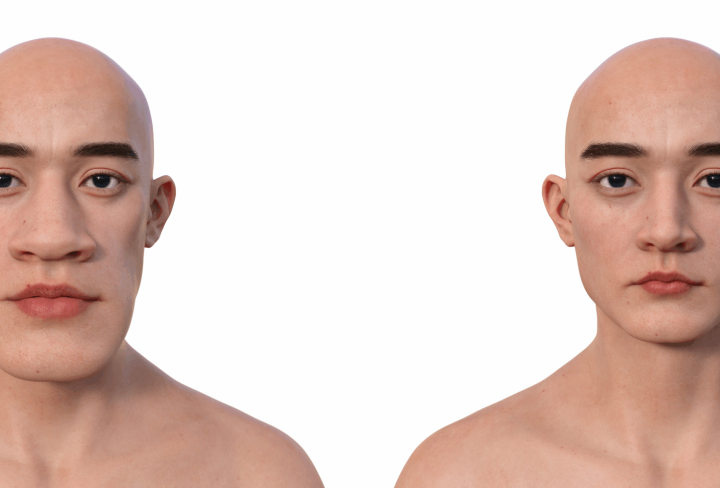
Acromegaly is a long-term condition caused by too much growth hormone in the body. The pituitary gland, a small organ at the base of the brain, controls this hormone. When there is too much growth hormone, bones and tissues grow more than normal. As a result, hands, feet, and facial features may become larger. This condition can affect both men and women, usually in middle age. Over time, Acromegaly can lead to other health problems, such as high blood pressure, diabetes, and joint pain. Therefore, understanding this endocrine condition is important for early care.
Causes of Acromegaly
Most cases of Acromegaly are caused by a non-cancerous tumor in the pituitary gland. This tumor is called an adenoma. Because the tumor presses on the gland, it makes extra growth hormone. In rare cases, tumors in other parts of the body can also cause Acromegaly. These tumors may release growth hormone or a related substance. However, pituitary tumors are the main cause in almost all people with this disorder.
Symptoms of Acromegaly
Acromegaly symptoms often develop slowly. Sometimes, people do not notice changes for years. Yet, some signs are common and can help with early detection. Watch for these symptoms:
Because these symptoms can be mild at first, it is easy to miss them. Still, noticing changes early can help you get the right care.
Diagnosis of Acromegaly
Doctors use several steps to diagnose Acromegaly. First, they ask about symptoms and do a physical exam. Next, they may order blood tests to check growth hormone levels. If the hormone is high, doctors often do an oral glucose tolerance test. In this test, you drink a sweet liquid, and your blood is checked for hormone changes. Additionally, imaging tests like MRI or CT scans help find tumors in the pituitary gland. These tests are safe and help doctors see the size and location of the tumor. Early diagnosis is important because it can prevent serious health problems later on. According to the CDC and other health experts, regular check-ups can help catch Acromegaly sooner.
Conclusion
Acromegaly is a rare but serious growth hormone disorder. Because it develops slowly, many people do not notice symptoms right away. However, knowing the signs and causes can help you seek help early. If you notice symptoms of Acromegaly, consult a healthcare specialist for personalized advice.