
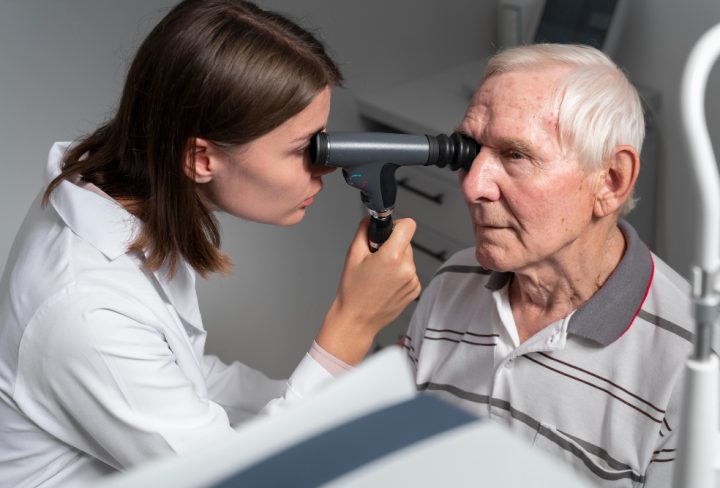
Introduction to Diabetic Retinopathy
Diabetic Retinopathy is a common eye problem for people with diabetes. It happens when high blood sugar damages the tiny blood vessels in the retina. The retina is the part of your eye that helps you see. In the United States and worldwide, this condition is a leading cause of vision loss. However, early signs of diabetic retinopathy can be easy to miss. That is why knowing what to look for is important.
Why Early Detection Matters
Early detection of diabetic retinopathy can help prevent serious vision problems. When you catch this eye disease early, treatment can slow or stop its progress. In fact, regular eye exams are the best way to find changes before they get worse. According to the CDC, early treatment can reduce the risk of blindness by up to 95%. So, paying attention to early symptoms is key for people with diabetes.
Early Signs and Symptoms
At first, diabetic retinopathy may not cause any symptoms. Still, as the disease gets worse, you may notice changes in your vision. Here are some early signs and symptoms to watch for:
Sometimes, these symptoms come and go. But if you notice any of them, it is important to act quickly. Early signs of diabetic retinopathy can be subtle, so regular eye check-ups are vital.
Risk Factors and Causes
Several factors can raise your risk of developing diabetic retinopathy. Understanding these can help you take steps to protect your eyes. Common risk factors include:
Because these factors can make eye problems worse, managing your health is important. For people with diabetes worldwide, keeping blood sugar in check is the best way to lower risk.
When to See a Doctor
If you have diabetes, you should see an eye doctor at least once a year. However, if you notice any changes in your vision, do not wait. For example, sudden blurry vision or dark spots should be checked right away. Early treatment can help prevent vision loss in diabetes. Even if you feel fine, regular eye exams are still needed.
Prevention and Eye Care Tips
There are steps you can take to lower your risk of diabetic eye disease symptoms. Here are some helpful tips:
By following these steps, you can help protect your vision and overall health. In addition, early action makes a big difference.
Conclusion and Call-to-Action
Diabetic Retinopathy can lead to vision loss if not found early. But with regular eye exams and good diabetes control, you can lower your risk. If you notice any changes in your vision, consult an eye specialist for personalized guidance. Early care is the best way to keep your eyes healthy.