
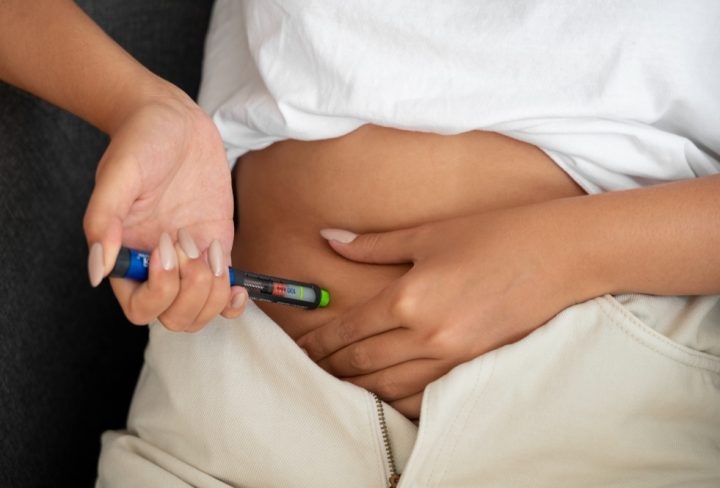
What is Diabetic Ketoacidosis?
Diabetic ketoacidosis, often called DKA, is a serious problem that can happen to people with diabetes. It occurs when the body does not have enough insulin. Because of this, the body starts to break down fat for energy. As a result, acids called ketones build up in the blood. High levels of ketones can make you very sick. Early treatment is important to prevent life-threatening problems.
Causes of Diabetic Ketoacidosis
DKA usually happens when there is not enough insulin in the body. This can occur for several reasons. For example, missing insulin shots or using expired insulin can lead to DKA. Sometimes, illness or infection can also trigger DKA. In addition, stress or injury may increase the risk. Here are common causes:
Symptoms to Watch For
DKA symptoms can develop quickly. Therefore, it is important to know what to look for. Early signs can help you get treatment sooner. Watch for these symptoms:
If you notice these DKA symptoms, act quickly. Early care can prevent serious problems.
The Critical Role of Insulin
Insulin is a hormone made by the pancreas. It helps move sugar from the blood into the body’s cells for energy. In diabetes, the body may not make enough insulin or use it well. Without enough insulin, sugar stays in the blood. As a result, the body breaks down fat for energy, which leads to ketone buildup. This is why insulin and diabetic ketoacidosis are closely linked. Insulin therapy for DKA is the main treatment because it lowers blood sugar and stops ketone production.
Diagnosis and Medical Evaluation
Doctors use several tests to diagnose DKA. First, they check blood sugar and ketone levels. They may also test blood acidity and look for signs of dehydration. In some cases, doctors will check for infections or other triggers. Quick diagnosis helps start treatment right away. If you have diabetes and feel unwell, tell your doctor about your symptoms. Early testing can save lives.
Treatment Options and Insulin Therapy
Treating DKA is urgent. Most people need to go to the hospital. Treatment usually includes:
Doctors monitor patients closely during treatment. They check blood sugar, ketone levels, and other vital signs. With proper care, most people recover well.
Prevention Tips and Lifestyle Guidance
Preventing diabetic ketoacidosis is possible with good habits. Here are some tips to help you stay safe:
By following these steps, you can lower your risk of DKA. In addition, regular check-ups help catch problems early.
When to Seek Medical Help
Sometimes, DKA can become life-threatening. Therefore, it is important to know when to get help. Call your doctor or go to the emergency room if you:
Quick action can save your life. If you notice symptoms of diabetic ketoacidosis, consult a healthcare specialist for immediate guidance.