
Introduction
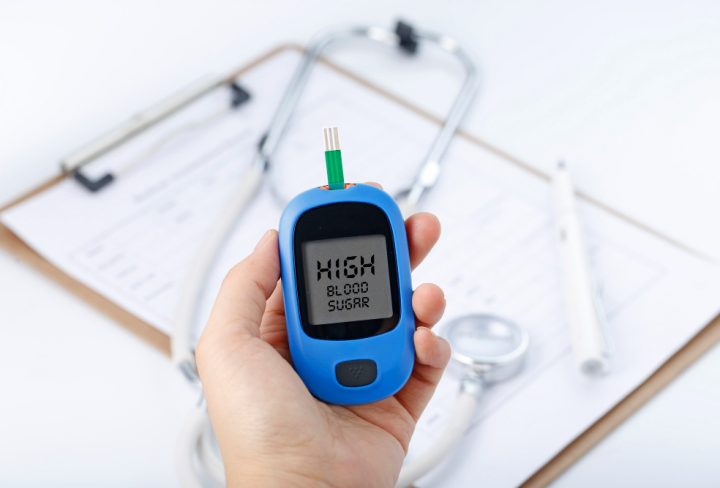
Preventing hyperglycemia in diabetes is important for staying healthy. Hyperglycemia means high blood sugar. If you have diabetes, you may face this problem. However, you can take steps to avoid it. In this blog, you will learn about the causes, symptoms, and ways to prevent high blood sugar. These tips can help you manage diabetes effectively and live well.
What is Hyperglycemia?
Hyperglycemia happens when your blood sugar is too high. This often affects people with diabetes. Normally, your body uses insulin to move sugar from your blood into your cells. But with diabetes, your body may not make enough insulin or use it well. As a result, sugar builds up in your blood. Over time, high blood sugar can cause serious health problems. For example, it can harm your eyes, kidneys, nerves, and heart.
Causes and Risk Factors
Many things can lead to hyperglycemia in diabetes. Knowing these causes can help you avoid them. Some common reasons include:
In addition, some people are at higher risk. For instance, those with type 1 or type 2 diabetes, older adults, and people with other health problems should be extra careful.
Symptoms and Warning Signs
It is important to know the signs of high blood sugar. Early action can prevent problems. Watch for these common symptoms:
Sometimes, symptoms are mild at first. But if you notice these signs, check your blood sugar and take steps to lower it.
How is Hyperglycemia Diagnosed?
Doctors use blood tests to check for hyperglycemia. You can also use a home blood sugar meter. Here are some common tests:
If your blood sugar is often above your target range, talk to your doctor. They can help you adjust your plan.
Prevention Strategies
Preventing hyperglycemia in diabetes takes daily effort. But small changes can make a big difference. Try these proven strategies:
According to the CDC, these steps can help you avoid high blood sugar and lower your risk of complications.
Lifestyle Tips for Daily Management
In addition to medical care, healthy habits matter. Here are some simple tips for managing diabetes every day:
For those living in hot or humid areas, stay hydrated and avoid outdoor exercise during peak heat. This can help prevent dehydration, which may raise blood sugar.
When to Seek Help
If your blood sugar stays high, do not wait. Seek medical help if you:
Early treatment can prevent serious problems, such as diabetic ketoacidosis. Always follow your doctor’s advice for emergencies.
Conclusion
In summary, preventing hyperglycemia in diabetes is possible with the right steps. By knowing the causes, watching for symptoms, and following healthy habits, you can manage diabetes effectively. Remember, regular check-ups and open communication with your healthcare team are key. For personalized advice on preventing hyperglycemia, consult a healthcare specialist.