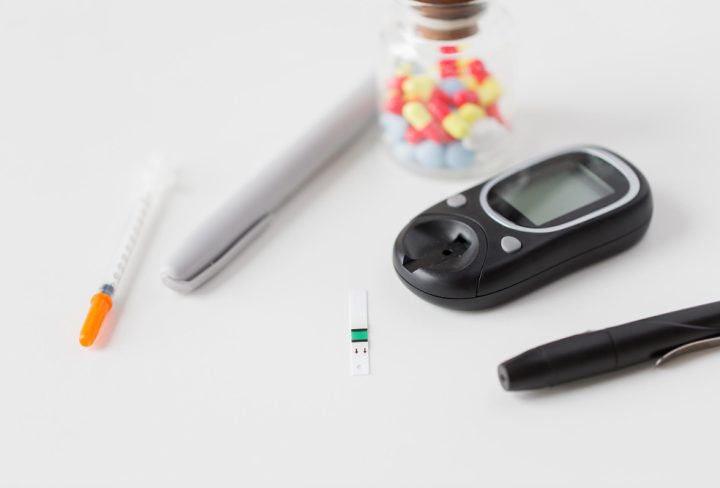
Medications Used in Type 2 Diabetes: A Complete Guide for the General Public

EN-B-DI-CN2-V16_20260127_155437_v1

Introduction

Type 2 Diabetes is a common health condition where the body cannot use sugar properly. Because of this, blood sugar levels can get too high. Medications used in Type 2 Diabetes help control these levels and prevent problems. While healthy eating and exercise are important, many people also need medicine. Understanding the different medications used in Type 2 Diabetes helps patients and families make better choices. This guide explains the main types of diabetes drugs, how they work, and what to expect.

What Is Type 2 Diabetes?

Type 2 Diabetes is a long-term disease. It happens when the body does not use insulin well or does not make enough. Insulin is a hormone that helps sugar move from the blood into the cells. When this process does not work, sugar builds up in the blood. Over time, high blood sugar can harm the heart, eyes, kidneys, and nerves. However, with the right care, people can live well with Type 2 Diabetes.

Why Are Medications Needed in Type 2 Diabetes?

At first, some people can control Type 2 Diabetes with healthy food and regular exercise. But, as time passes, the body may need more help. That is when medications become important. These drugs help lower blood sugar and reduce the risk of serious problems. In many cases, doctors use a mix of lifestyle changes and medicines for the best results. For some, only one medicine is needed. Others may need a combination.

Types of Medications for Type 2 Diabetes

There are several types of medicines for Type 2 Diabetes. Each works in a different way. Below are the main groups:

1. Metformin

  • How it works: Metformin helps the body use insulin better and lowers sugar made by the liver.
  • Common examples: Glucophage, Fortamet
  • Typical side effects: Upset stomach, diarrhea, or mild nausea. These often get better with time.
  • 2. Sulfonylureas

  • How it works: These drugs help the pancreas make more insulin.
  • Common examples: Glipizide, Glyburide, Glimepiride
  • Typical side effects: Low blood sugar, weight gain
  • 3. DPP-4 Inhibitors

  • How it works: DPP-4 inhibitors help the body make more insulin after meals.
  • Common examples: Sitagliptin, Saxagliptin, Linagliptin
  • Typical side effects: Mild stomach upset, cold-like symptoms
  • 4. GLP-1 Receptor Agonists

  • How it works: These medicines help the body release insulin and lower hunger.
  • Common examples: Liraglutide, Semaglutide, Exenatide
  • Typical side effects: Nausea, vomiting, weight loss
  • 5. SGLT2 Inhibitors

  • How it works: SGLT2 inhibitors help the kidneys remove extra sugar through urine.
  • Common examples: Canagliflozin, Dapagliflozin, Empagliflozin
  • Typical side effects: Urinary tract infections, more urination, yeast infections
  • 6. Insulin

  • How it works: Insulin is a hormone that lowers blood sugar. Some people with Type 2 Diabetes need insulin shots.
  • Common examples: Regular insulin, long-acting insulin (Glargine, Detemir)
  • Typical side effects: Low blood sugar, weight gain, mild pain at the injection site
  • How Doctors Choose the Right Medication

    Doctors look at many things before choosing the best medicines for Type 2 Diabetes. For example, they consider:

  • Age and overall health
  • How high the blood sugar is
  • Other health problems, like heart or kidney disease
  • Possible side effects of diabetes medication
  • Cost and how easy it is to take the medicine
  • Sometimes, doctors may change the medicine if it does not work well or causes side effects. It is important to talk openly with your doctor about your needs.

    Tips for Taking Diabetes Medications Safely

    Taking your medicine the right way helps you stay healthy. Here are some tips:

  • Take your medicine at the same time each day
  • Do not skip doses, even if you feel fine
  • Keep a list of all your medicines
  • Tell your doctor about any side effects
  • Store medicines as directed
  • Check your blood sugar as advised
  • Never share your medicine with others
  • If you have questions, ask your healthcare team. They can help you avoid problems and get the best results.

    Frequently Asked Questions

  • Can I stop medication if my sugar improves?
  • Not without your doctor’s advice. Stopping medicine suddenly can cause your sugar to rise again.
  • Are oral diabetes drugs better than insulin?
  • Not always. Some people need insulin if pills do not work well enough.
  • What are the side effects of diabetes medication?
  • Most side effects are mild, like stomach upset or low blood sugar. Tell your doctor if you notice anything unusual.
  • Is there a best medicine for Type 2 Diabetes?
  • No single medicine is best for everyone. The right choice depends on your health and needs.
  • Conclusion

    There are many medications used in Type 2 Diabetes. Each type works in a different way and has its own benefits and side effects. With the right treatment, most people can control their blood sugar and stay healthy.