
What Is Hypoglycemia?
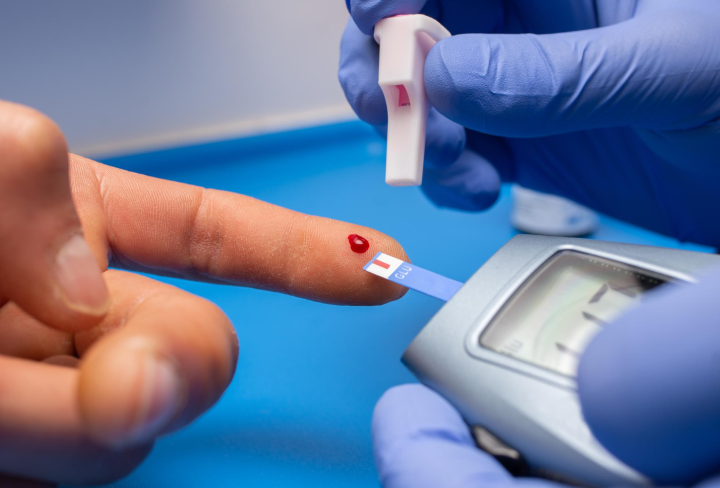
Hypoglycemia means your blood sugar level drops too low. This condition is also called low blood sugar. It can affect anyone, but it is more common in people with diabetes. However, even those without diabetes can sometimes have hypoglycemia. When your blood sugar falls below normal, your body does not get enough energy. As a result, you may feel weak or dizzy. Understanding hypoglycemia, its causes, and low blood sugar symptoms can help you stay safe and healthy.
Common Causes of Hypoglycemia
There are several reasons why hypoglycemia can happen. Sometimes, it is linked to certain medicines or health conditions. Other times, it may be due to lifestyle choices. For example, skipping meals can lead to low blood sugar. Here are some common causes of hypoglycemia:
In addition, certain infections or illnesses can also cause hypoglycemia. According to the CDC, people with diabetes are at higher risk, but anyone can be affected.
Recognizing the Symptoms of Hypoglycemia
It is important to know the signs of low blood sugar. Early symptoms can be mild, but they may get worse if not treated. For instance, you might feel shaky or sweaty. Here are some common symptoms of hypoglycemia:
Sometimes, symptoms can appear quickly. Therefore, it is important to act fast if you notice them. If you are unsure, check your blood sugar if you can.
When to Seek Medical Help
Most cases of hypoglycemia can be treated at home. However, there are times when you need medical help. For example, if symptoms do not improve after eating or drinking sugar, call for help. Also, if you pass out or have a seizure, someone should call emergency services right away. In addition, if you have frequent low blood sugar episodes, talk to your doctor. They can help you find the cause and prevent future problems.
Prevention Tips for Hypoglycemia
Preventing hypoglycemia is possible with a few simple steps. First, eat regular meals and snacks. Second, do not skip meals, especially if you take diabetes medicine. Here are more tips to help prevent low blood sugar:
Moreover, always let friends and family know what to do if you have low blood sugar. This way, they can help you in an emergency.
Conclusion
In summary, hypoglycemia is a drop in blood sugar that can cause many symptoms. Knowing the causes of hypoglycemia and recognizing signs of low blood sugar can help you stay safe. If you experience symptoms of hypoglycemia, consult a healthcare specialist for personalized advice.